

On July 4, 2025, President Trump signed the ‘Big Beautiful Bill’, and the entire country is worried. Everyone is wondering whether this law will increase their energy bills in the coming months. Energy costs are a regular expense that families have a fixed budget for, and any increase can easily become a burden to families with a limited budget. The new legislation is meant to alter the energy situation in the country by encouraging more oil and gas, while reducing funding of cleaner sources of energy. Though the actual financial effect on households has yet to be seen, concern over it is being reported in all parts of the country.
The ‘Big Beautiful Bill’

This bill is designed to reshape the nation’s energy landscape, where its main goal is to promote more oil and gas drilling within the United States. Unfortunately, the bill also reduces funding of clean energy, which means that the tax incentives that make solar and wind power cheaper will be removed. Supporters of the bill say it’ll improve the energy security of our country while also lowering reliance on foreign energy supplies. Critics, however, say that these changes can slow down the development of renewable energy projects and will completely transform the energy market.
Current Energy Costs
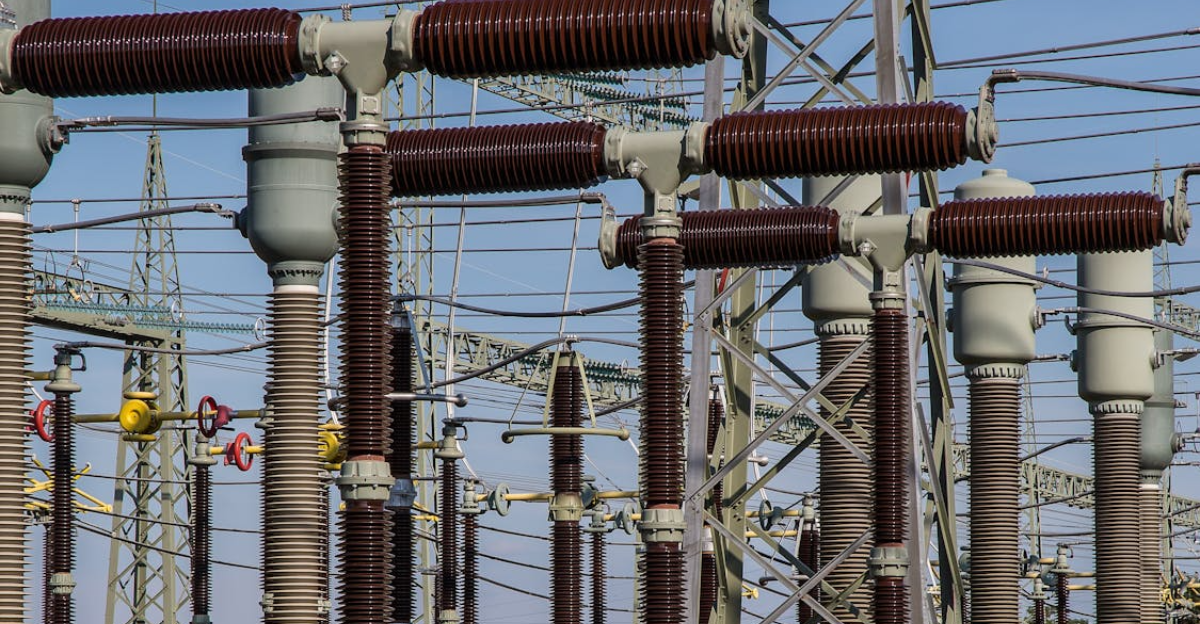
As of 2025, average monthly electricity bills hover around $153 across the United States. Electricity prices currently average roughly 17 cents per kilowatt-hour. Several factors influence current energy prices today, which include the rising demand for electricity during hot summers, cold winters, and the growing number of electric devices and electric vehicles in use. On top of that, there’s also local and state taxes added to the total bill. Electric bills in states such as Connecticut and Hawaii are often over $200 as the costs there are higher per unit.
Potential Impact on Energy Prices
Experts agree the ‘Big Beautiful Bill’ will likely raise energy costs for many consumers. Estimates suggest household electricity expenses could increase by around $600 annually over the next decade. This is primarily due to the fact that the bill limits tax credits of renewable energy projects beyond 2025, which makes their development more expensive. It also increases the dependence on oil and natural gas, which prices will increase as the demand rises. In the past, price spikes have occurred because of restrictive energy policies and incentives have been used to stabilize or reduce costs.
Regional Variations in Energy Costs
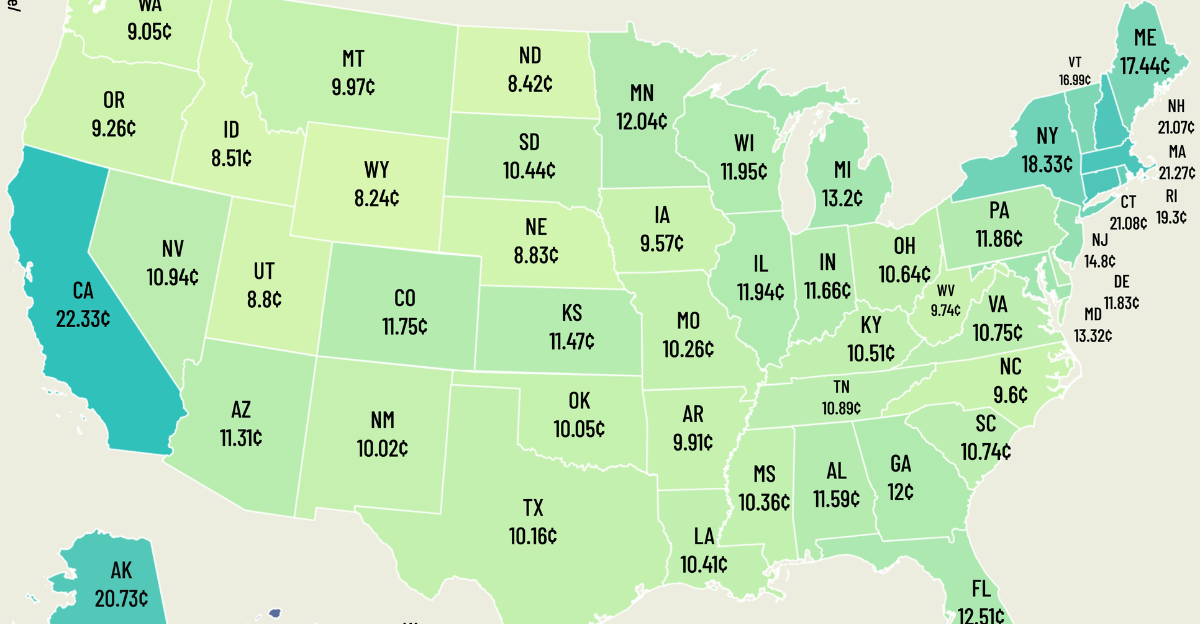
Keep in mind that not all states will be impacted similarly by the ‘Big Beautiful Bill’. Regions such as the Northeast and certain regions in California can have high electricity rates because of low local sources of energy. Hawaii and Connecticut are two of the most expensive states to exist in terms of energy bills. States like Idaho and Oklahoma are much cheaper because they have a lot of local resources. In other areas such as the Midwest, electricity supply is usually local, which could imply lesser price increase. States in the south east might have higher bills because of the warm weather that air conditioning is used extensively.
Long-term vs. Short-term Effects

For short-term effects, consumers could see their monthly bills increase as soon as clean energy tax credits end at the end of 2025. An increase in the cost of generation is likely to be transferred to the customer and bring about a rise of up to $20-50 per month in some areas. The perspective in the long-term is a bit worrying. The decline in investment in renewable technologies may hamper the growth of cheap clean energy, maintaining the prices high in the long term. On the whole, analysts indicate that years could pass before energy cost relief is experienced with the provisions of this bill.
Consumer Reactions and Concerns

Most Americans seem uneasy about the ‘Big Beautiful Bill’. Polls show that almost two-thirds of respondents are against the changes after learning the possibility of increased electricity costs. It’s a general fear that bills will be increasing faster than their wages and the necessities will be more difficult to afford. There is also a misconception that the rise in the price of energy is only due to external crises or selfish suppliers. Nevertheless, the changes in the domestic laws such as tax policy and subsidies plays a big role in determining the amount that consumers spend on their monthly bills.
Alternatives and Solutions
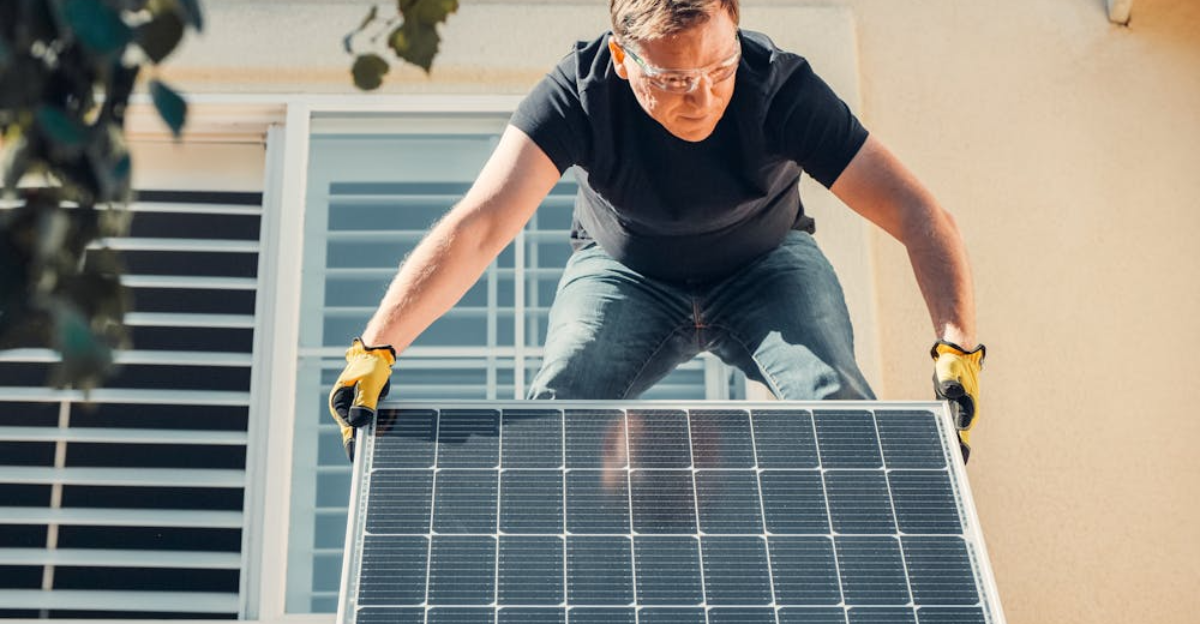
Adjusting how we consume energy at home can help with the possible increase of electric bills. Small things like changing lights with power-saving ones and installing smart thermostats to regulate temperature efficiently will help lower power consumption. Using larger appliances less and drying your clothes outside instead of using a dryer also helps. With long-term savings, it would still be optimal to think about installing the solar panels. Although the bill would cut some clean energy credits, solar energy would enable bill reduction in the long term.
What You Can Do

It’s also important to be updated with the changes in energy laws and rates. Customers are advised to pay attention to notices by their local utilities and state agencies. Subscribing to alerts from energy commissions or advocacy groups can prevent unnecessary overpayments. Calling elected officials to express your concerns about fair energy pricing puts pressure on them to adjust to consumer’s needs. Discussing the bill with friends and neighbors is also a way to create awareness that will help people on advocating for fair prices. The power of many voices is key to influencing energy-related policy.
Final Thoughts on the Bill’s Implications
The ‘Big Beautiful Bill’ marks a significant shift in U.S. energy policy. While the bill aims to boost oil and gas production, experts warn that it’ll likely cause energy bills to rise. The bill’s emphasis on fossil fuels which is a limited power source while removing clean energy credits would increase the cost of electricity. Adjusting power consumption can help lessen the financial burden in the short term. But staying informed about the developing policies will be more important than ever as we start to adjust to the changes this new bill brings to us.